

《耳顺》中的风雨与静默:蒋宜茂的生命诗学与世界共鸣【唐诗,中英对照,张智中 译】



独家抢先看
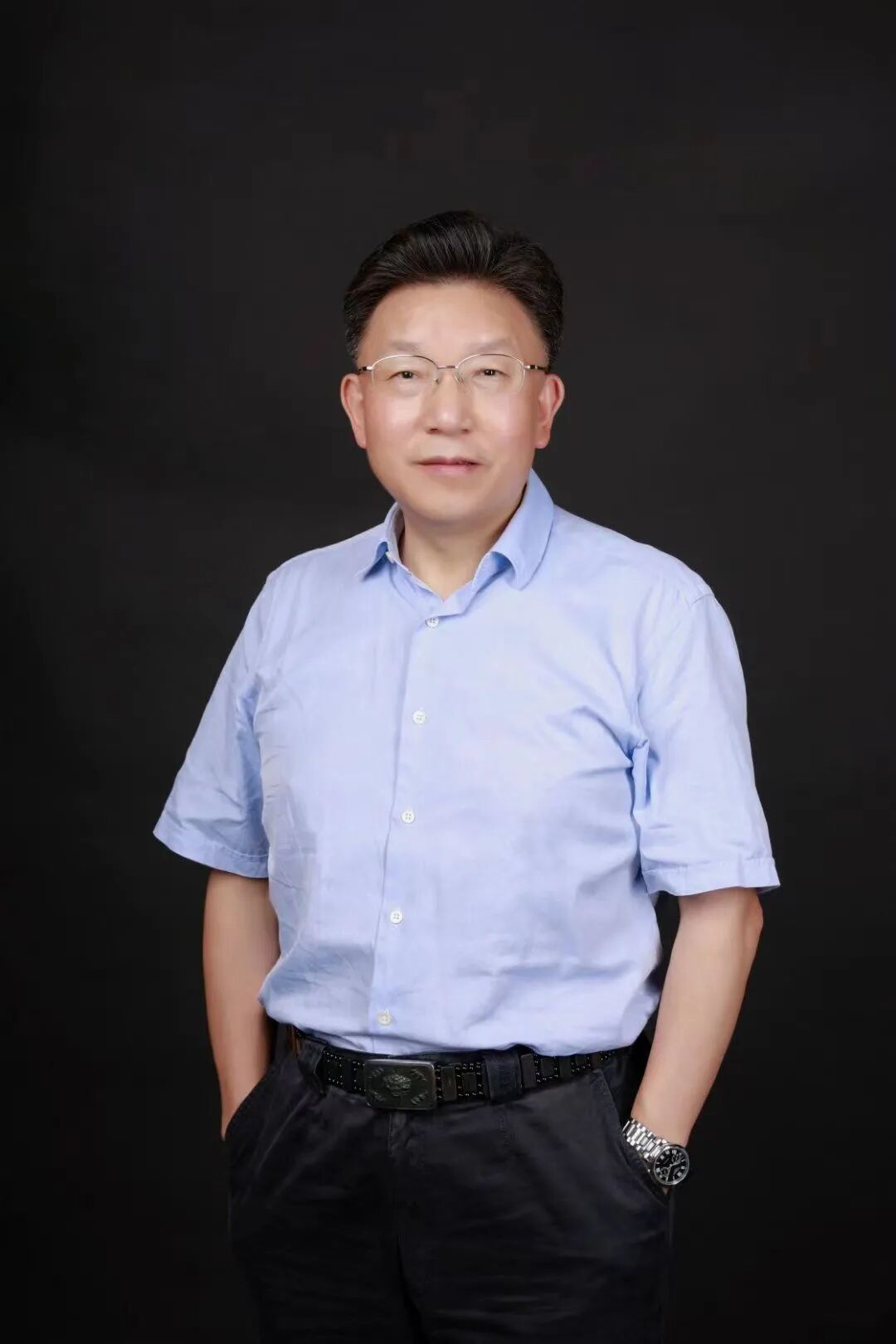
蒋宜茂
《耳顺》中的风雨与静默:
蒋宜茂的生命诗学与世界共鸣
唐诗
六十余年的人生风雨,在窗内窗外之间,凝练成一首诗的体量。
风跑在前面,雨追着赶来,这两句简单的诗行,却仿佛勾勒出整个人生的轨迹。在蒋宜茂的《耳顺》中,我们看到的不仅是一幅风雨交加的自然图景,更是一种生命境界的抵达。这位从重庆丰都乡村走出的诗人,有着农民—教师—公务员—诗人的多重身份,这些身份在他的诗作中交织成一幅复杂而深刻的生命画卷。
《耳顺》这首诗,恰如其分地展现了他历经六十年风雨后的人生领悟,也映照出人类共同面对的生命命题——如何在世界的喧嚣中寻得内心的宁静,如何在时间的流逝中保持精神的澄明。
一、风雨意象:个人史与民族记忆的双重书写
“风跑在前面,雨追着赶来/它们来路幽远模糊。”诗歌开篇即将读者带入一个动态的、充满张力的自然场景。但这不仅仅是自然现象的描述,更是对人生历程的隐喻。风雨在蒋宜茂的诗中常是时间与经历的象征,他在《缓步于熟悉而陌生的诗意之路》中曾坦言:“世间凡有生命之物,生长与渐次成熟是其最重要的特征。人生亦是如此,从青少到年壮、从成熟到衰老,概莫能外。”
这种对风雨的描绘,令人联想到美国诗人罗伯特·弗罗斯特在《暴风雨》中的诗句:“暴风雨的恐惧使我蜷缩/当我数着震耳欲聋的霹雳/然后想到那雄伟之光如何击打大地。”弗罗斯特同样借助自然现象表达对生命的敬畏,但蒋宜茂的独特之处在于,他的风雨承载着中国当代知识分子特有的集体记忆与个人创伤。
《耳顺》中的“一道闪电撕碎了悬浮的乌云/几个响雷炸裂/在照母山麓翻滚”不仅是对自然现象的描绘,更是对历史变革的隐喻。将这种意象与波兰诗人切斯瓦夫·米沃什的《礼物》相比较,我们会发现东西方诗人面对历史暴力的不同态度。米沃什在经历了20世纪的种种悲剧后写道:“这直率的一天,没有云雾/这直接的光亮,没有弯曲”,他寻求的是一种超越历史的宁静;而蒋宜茂则选择直面风雨,并在其中找到自己的位置。
诗中“几十年练就的兼容视听/渐次遁入耳顺的波频”反映的正是这种中国式的生命智慧——不是逃避,而是包容;不是对抗,而是接纳。
二、窗里窗外:观察者与参与者的双重身份
“我伫立窗前/调成静音模式”,这两句诗巧妙地构建了诗歌的内外空间,也确立了诗人的双重身份——既是观察者,又是参与者。窗,作为蒋宜茂诗歌中重要的意象,甚至成为他一部诗集的名字《窗外》。在诗集《窗外》中,他透过这个物理空间观察世界,也透过这个隐喻空间审视内心。
伫立窗前的姿态,令人想起葡萄牙诗人费尔南多·佩索阿在《不安之书》中的描述:“我从窗户俯瞰整条街道的寂静,我的思绪延伸到可见的一切之外。”佩索阿透过窗户寻找自我与世界的距离,而蒋宜茂则通过“调成静音模式”实现了一种内心的退守与观照。这种“静音模式”不是关闭感知,而是转换频道,是调整接收世界的方式,是进入“耳顺”之境的前提。
蒋宜茂自己曾说:“诗虽是生活的一截小品,然而于我,可谓心有诗思,夫复何言”。这种将生活片段转化为诗歌艺术的能力,正是源于他能在外在的喧嚣中保持内心的静默。在他的《窗外》中,我们可以看到类似的表达:“诗集《窗外》中的雨雾、来往车辆、雨衣、环卫工人等窗外景象,与诗人内心的悲悯情怀相互交融,形成了独特的风景,反映出诗人对窗外世界的深刻感受和深沉思考。”
蒋宜茂的窗前凝视,与日本诗人谷川俊太郎的《窗》有着异曲同工之妙:“清晨/我打开窗/苹果花的香气进来/还有孩子们的声音/但窗不会变成花香或孩子”。谷川笔下的窗是内外世界的界限,而蒋宜茂的窗则是内外交流的通道,通过它,诗人既观察外在的风雨,也审视内在的波澜。
三、耳顺之境:东方智慧与现代困境的对话
“耳顺”一词,源自《论语》“六十而耳顺”,是孔子描述自己人生境界的重要阶段。蒋宜茂以此为题,显然在向中国传统文化致敬,同时也赋予了这一概念新的时代内涵。在诗歌中,“渐次遁入耳顺的波频”既是对年龄的认知,也是对生命状态的描述。
对于“耳顺”的理解,蒋宜茂在《缓步于熟悉而陌生的诗意之路》中有所阐释:“‘吾十有五而志于学,三十而立,四十而不惑,五十而知天命,六十而耳顺,七十而从心所欲,不逾矩’。这是《论语》中孔子的自评,每每读来都甚觉豁达通透,随着年岁的增长,越是深以为然。”这种对传统文化的承接与转化,使他的诗歌具有深厚的文化根基。
将《耳顺》与英国诗人菲利普·拉金的《老人》相比较,我们会发现东西方诗人对老龄化的不同态度。拉金笔下老人的晚年是悲凉的:“他们像房子一样被留下/在一条越来越空的街道”,充满了孤独与疏离;而蒋宜茂的“耳顺”则展现了一种主动的、积极的调整,是与世界达成新的和谐。
这种耳顺的境界,不是被动的接受,而是主动的包容;不是感官的退化,而是感知的升华。他在《驱散星辰孤独的皱纹》中写道:“善良的灵魂/用爱铸就开关。/星光与眼眸对视,/夜莺的歌声/嘹亮动听。/清风徐来/驱散星辰孤独的皱纹。”这种对孤独的驱散,正是“耳顺”的力量所在。
四、雨水的隐喻:卑微生存与精神高贵的辩证
“被楼顶 雨棚拦截,鼓点轰鸣/敲出的檐水列行成线。/大而密时,触地成溪/纷纷向低洼处拥挤。”这些诗行既是对雨水流向的客观描述,也是对社会结构与个体命运的深刻洞察。雨水从高处向低处流动,最终汇入洼地,这不禁让人想到社会底层民众的生存状态。
蒋宜茂自乡村走来,始终保持着对土地和农民的深厚情感。他的诗歌“底色鲜明,意境如画,内涵深刻,凸显了诗人对人类生命体验的深刻反思,对亲情友情乡情的深情眷恋”。在《心愿》一诗中,他写道:“从弥漫着泥土味的乡村走来/他没有过多的奢望/满腔感恩汇聚的光/映照着平和跳动的心脏”。这种对土地和人民的深情,使他的诗歌具有浓厚的人文关怀。
将《耳顺》与爱尔兰诗人谢默斯·希尼的《挖》相比较,我们会发现两位诗人对劳动和底层生活的相似态度。希尼通过描写父辈挖土豆的动作,寻找自己的诗歌之根;而蒋宜茂则通过对雨水的观察,表达对底层生命的关注。不同的是,希尼的挖掘是向上的、对抗的,而蒋宜茂的雨水是向下的、顺应自然的。
这种向下的姿态,恰恰体现了中国传统文化中的智慧——上善若水,水善利万物而不争。蒋宜茂曾在《那窝无花果树》中,描述了“老屋前,牛栏旁不起眼的无花果,虽然它生长在艰苦的环境中,但它依然能坚强地生长下去,散发出些许的芬芳,最终结出累累硕果”。这种在逆境中不屈的生命力量,正是他诗歌中常见主题。
五、时空交错:个人经历与历史洪流的交汇
“它们来路幽远模糊”,既指风雨的来历,也暗示了个人与民族历史的深远与模糊。蒋宜茂的人生经历——从农村到城市,从教师到公务员——在诗中并未直接陈述,却作为背景知识丰富了诗歌的解读空间。
蒋登科在评价蒋宜茂的诗集《向青涩致敬》时指出:“回忆是蒋宜茂这部诗集切入现实与人生的重要方式之一。尤其是对故乡、亲人、青少年时代的回忆,可以使我们清晰地感受到这些元素对诗人的人生甚至人生观、世界观、价值观的深刻影响。”在《那就是我》一诗中,蒋宜茂回忆了童年放牛的经历,并从中获得了人生的警示。
这种将个人经历融入诗歌的方式,令人联想到俄国诗人安娜·阿赫玛托娃的《安魂曲》,她将个人的丧子之痛与民族的苦难融为一体。蒋宜茂虽然写作题材和风格不同,但同样实现了个人经历与历史洪流的交汇。不同的是,阿赫玛托娃的诗歌充满了悲剧性的抵抗,而蒋宜茂的诗歌则展现出历经风雨后的通达与和解。
叶延滨在评价蒋宜茂的诗集《时光不眠》时写道:“人生就是一次手持单程票的长途漫游。诗人是行者,是歌者,更是一位修行者。与诗为伴的蒋宜茂,用笔记下他人生中值得留下的美好与真诚。”这种对生命的修行态度,使蒋宜茂的诗歌超越了个人情感的宣泄,达到了一种普遍性的人生观照。
六、世界的回声:蒋宜茂诗歌的国际对话
将《耳顺》放在国际诗歌的视野中,我们会发现它与许多国家诗人的对话可能。除了前面提到的弗罗斯特、米沃什、佩索阿、谷川俊太郎、拉金、希尼和阿赫玛托娃,蒋宜茂的诗歌还与印度诗人泰戈尔的《飞鸟集》有着精神上的共鸣。
泰戈尔在《飞鸟集》中写道:“世界对着它的爱人,把它浩瀚的面具揭下了/它变小了,小如一首歌,小如一回永恒的接吻。”这种将世界内在化的倾向,与蒋宜茂的“调成静音模式”有着相似的取向——都不是缩小感知,而是改变感知的方式。
然而,蒋宜茂的独特性在于他的中国经验和中国智慧。他的诗歌根植于中国的文化土壤,反映的是中国当代知识分子的心路历程。诗评家蒋登科认为,蒋宜茂的诗“以短章为主,诗句相对整齐,有时甚至写出了一些诗行字数完全相同的作品,大多数时候押韵。这样的作品,容易形成诗行的节奏,诗节的韵律,诗篇的旋律”。这种对形式的重视,既是对中国诗歌传统的继承,也是对其个人表达需要的满足。
在国际诗歌的语境中,蒋宜茂的《耳顺》提供了一种中国式的生命态度——不是西方式的征服与改造,也不是印度式的彻底超越,而是在入世与出世之间找到平衡,在进取与退守之间保持张力。
七、当代意义:在加速时代中的慢智慧
在当今这个信息爆炸、众声喧哗的时代,蒋宜茂的《耳顺》提供了一种珍贵的慢智慧。“调成静音模式”可以看作是对当代人普遍存在的信息过载与注意力分散的一种抵抗策略。通过调整接受的频率,筛选有价值的信息,保留真正重要的声音。
这种“耳顺”的智慧,在社交媒体时代显得尤为珍贵。蒋宜茂甚至在诗作《朋友圈》中,直接触及了这一现代社交现象。表明他并非回避现代生活,而是以自己的方式理解和应对它。
将这种态度与德国作家韩炳哲在《倦怠社会》中的论述相对照,我们会发现东西方思想对当代人生存状况的相似洞察。韩炳哲认为,当代人陷入了过度积极和自我剥削的困境,而“耳顺”所代表的倾听与接纳,或许提供了一条出路。
蒋宜茂的诗歌,正是通过对个人经验的提炼,反映了这一普遍的时代困境,并暗示了可能的解决之道。他的《耳顺》告诉我们,或许真正的智慧不在于听到更多,而在于听得更好;不在于接收更频繁的信息,而在于辨识更有价值的声音。
结语:风雨中的静定
《耳顺》一诗,短短数行,却包含了蒋宜茂几十年的人生阅历和生命感悟。从乡村到城市,从讲台到官场,从青涩到成熟,他始终保持着对诗歌的热爱和对生命的思考。这首诗既是他个人生命经验的结晶,也是中国传统文化在当代生活中的生动体现。
通过对《耳顺》的细读,我们看到了一个中国诗人在面对世界时的独特态度——既不回避风雨,又能保持内心的静定;既关注卑微的生存,又追求精神的高贵;既扎根民族传统,又具有世界视野。在这个意义上,蒋宜茂的《耳顺》不仅是一首好诗,更是一种生命智慧的传达。
当风雨过后,喧嚣平息,留下来的是一种经历了时间洗礼的宁静与澄明。这就是《耳顺》给予我们的珍贵礼物——在动荡的世界中,如何保持内心的平静;在混杂的声音中,如何聆听真正的智慧。正如蒋宜茂在《照镜》中所言:“对镜端详辩儿郎/一片云霞赋沧桑/几多风雨入诗行/花甲标点隐鬓霜。”那些走过的风雨,最终都化为了诗行,而那些诗行,又成为了照亮前路的光。
作者简介
唐诗,本名唐德荣,重庆市荣昌区人。中国当代著名诗人、批评家。管理学博士。系中国作家协会、中国硬笔书法家协会等会会员。受聘担任中国楹联学会书画院副院长、中国中外名人文化研究会终身艺术顾问、环球旅游频道《美丽中国》栏目组特邀导师,国际诗歌翻译研究中心名誉主席、世界文艺家企业家交流中心理事长等。1985年开始在《诗刊》《读者》《人民艺术家》《中华英才》和文旅中国网、美国时代周刊英文网等国内外报刊、网站发表诗歌、书法、评论等文艺作品。出版诗文集十余部,主编十余部。作品被翻译成十余种外国文字。文艺作品先后获得联合国文化艺术勋章、中国作家出版集团奖、希腊国际文学艺术奖、联合国文化艺术终身成就奖等国内外各类奖项。
The Winds & Rains and Silence in Attuned Ears:
Jiang Yimao’s Life Poetics Resonates with the World
Tang Shi
Over sixty years of life’s ups and downs have been condensed into the volume of a poem between the inside and outside of the window.
“The wind is running ahead, the rain chasing after it” — these two simple poetic lines seem to outline the entire course of human life. In Jiang Yimao’s Attuned Ears, what we see is not only a natural scene of winds & rains, but also the arrival of a life realm. Jiang, as a poet who distinguishes himself from the rural area of Fengdu, Chongqing, has the multiple identities as a farmer, teacher, civil servant and poet, which interweave into a complex and profound picture of life in his poems.
The poem entitled Attuned Ears aptly presents his life insights after sixty years of ups and downs, while reflecting the common life proposition faced by humanity — how to find inner peace amid the hustle and bustle of the world, and how to maintain spiritual clarity during the passage of time.
I. The Image of Winds & Rains: the Dual Writing of Personal History and National Memory
“The wind is running ahead, the rain chasing after it. / They come from distant and obscure ways.” The poem begins by leading the reader into a dynamic and tense natural scene. But this is not merely the description of natural phenomena, but also a metaphor for the course of life. In Jiang Yimao’s poems, winds & rains are often symbols of time and experience. In Walking Slowly Along the Poetic Path Which Is Familiar and Strange, the poet has ever frankly stated: “for all living things in the world, growth and gradual maturity are their most important characteristics. Life is also such a case. From youth to middle age, from maturity to old age, there is no exception.”
Such a depiction of the winds & rains reminds the reader of the poetic lines by American poet Robert Frost in his The Tempest: The fear of the storm makes me crouch / when I count the deafening thunderbolts / then I think how the magnificent light strikes the earth. Frost also expresses his reverence for life through natural phenomena, but what makes Jiang Yimao unique is that his winds & rains carry the collective memory and personal trauma which are characteristic of contemporary Chinese intellectuals.
In Attuned Ears, “A flash of lightning tears apart the suspended dark clouds; / several thunderbolts burst, / rolling beneath Zhaomu Mountain”, these lines are not merely the depiction of natural phenomena, but also the metaphors for historical changes. When comparing this image with the Polish poet Cheswaff Mivoz’s The Gift, we find the different attitudes of Eastern and Western poets towards historical violence. After experiencing all the tragedies of the 20th century, Mivosh thus writes: “This straightforward day, without clouds / This direct light, without bends.” What he seeks after is a kind of tranquility that transcends history. Jiang Yimao, on the other hand, chooses to confront the storm head-on and finds his place in it. such lines in the poem, “decades of audio-visual compatibility, / gradually fades into the attuned ear of the wave frequency.” Which precisely reflects the Chinese wisdom of life — tolerance instead of evasion, and acceptance instead of confrontation.
II. Inside and Outside the Window: the Dual Identities of an Observer and Participant
“I stand at the window, / and switch it on silent mode.” Such lines ingeniously construct the internal and external space of the poem, while establishing the poet’s dual identity — both an observer and a participant. The window, as an important image in Jiang Yimao’s poetry, even becomes the title of one of his poetry collections: Outside the Window. In this poetry collection, he observes the world through this physical space, while examining his inner self through this metaphorical space.
The posture of standing by the window reminds us of the description by the Portuguese poet Fernando Pessoa in The Book of Unease: “I look out of the window at the silence of the entire street, my thoughts extending beyond what is visible.” Pessoa seeks the distance between himself and the world through the window, while Jiang Yimao achieves an inner retreat and reflection by “switch it on silent mode”. This “silent mode” is not about turning off perception, but changing channels. It is about adjusting the way the world is received, and is the prerequisite for entering a state of “attuned ears”.
Jiang Yimao himself once has said, “Although poetry is a small piece of life, yet for me, it can be said that when I have poetic thoughts in my heart, what else can I say?” This ability to transform the fragments of life into poetic art precisely stems from his ability to maintain inner silence amid the external hustle and bustle. In his Outside the Window, we can see similar expression: “The rain and mist, running vehicles, raincoats, sanitation workers and other scenes outside the window in the poetry collection Outside the Window blend with the poet’s inner compassion, forming a unique landscape which reflects the poet’s profound feelings and deep thoughts about the world outside the window.”
Jiang Yimao’s gaze through the window shares a similar effect with the Japanese poet Shuntaro Tanikawa’s Window: “In the early morning / I open the window / when the fragrance of apple blossoms comes in / as well as the voices of children / but the window does not turn into the fragrance of flowers or children.” The window depicted by Tanikawa is the boundary between the inner and outer worlds, while Jiang Yimao’s window serves as a channel for communication between the two. Through it, the poet not only observes the external winds & rains, but also examines the internal waves.
III. The Realm of Attuned Ears: A Dialogue Between Eastern Wisdom and Modern Dilemmas
The term of “attuned ears” originates from the phrase “at sixty, one’s ears become attuned” in The Analects of Confucius, which is an important stage in Confucius’ description of his life’s realm. Jiang Yimao takes this as his title, clearly to pay tribute to traditional Chinese culture, while endowing this concept with new contemporary connotations. In his poem, “gradually fades into the attuned ear of the wave frequency” is both a perception of age and a description of the state of life.
Jiang Yimao further expounds on the understanding of “attuned ears” in his Walking Slowly Along the Poetic Path Which Is Familiar and Strange: “‘At fifteen, I set my heart on learning; at thirty, I stand firm; at forty, I am no longer confused; at fifty, I know the will of heaven; at sixty, I have attuned ears; at seventy, I can follow my heart’s desire without overstepping the bounds.’ This is Confucius’ self-assessment in The Analects of Confucius. Each time I read it, I feel insightfully enlightened. As I grow older, I become more and more convinced.” This inheritance and transformation of traditional culture have endowed his poetry with a profound cultural foundation.
When comparing Attuned Ears with The Old Man by British poet Philip Larkin, we find the different attitudes of Eastern and Western poets towards aging. The old age of the elderly in Larkin’s works is desolate: “They are left behind like houses / on an increasingly empty street”, filled with loneliness and estrangement, while Jiang Yimao’s “attuned ears” demonstrates an active and positive adjustment, achieving a new harmony with the world.
This state of attuned ears is active tolerance instead of passive acceptance, and the elevation of perception instead of the degeneration of the senses. In his To Disperse the Lonesome Wrinkles of the Stars, he thus writes: “A kind soul / forges a switch with love. / The stars and the eyes gaze at each other, / and the song of the nightingale / is loud and touching. / Fresh breeze rises from the canyon, / to disperse the lonesome wrinkles of the stars.” This dispelling of loneliness is precisely the power of “attuned ears”.
IV. The Metaphor of Rainwater: The Dialectic of Humble Existence and Noble Spirit
“Which is blocked by the platform awning atop the building, drums beating, / the eaves water lines up. / When it is dense and large, it touches the ground to be a stream; / crowding into lower places.” These poetic lines are both the objective description of the flow of rainwater and the profound insights into the social structure and individual destinies. Rainwater flows from high places to low ones, eventually to converge into depressions, which is suggestive of the living conditions of the lower-class people in society.
Coming from the countryside, Jiang Yimao has always maintained a deep affection for the land and farmers. His poems “have a distinct background, picturesque artistic conception, and profound connotations, highlighting the poet’s profound reflection on human life experiences and his deep attachment to family ties, friendship and hometown feelings.” In his poem entitled The Wish, he thus writes: “Coming from a village filled with the smell of earth, / he has no excessive expectations. / The light of gratitude gathers in his heart / to illuminate its peaceful beating.” This deep affection for the land and the people endows his poetry with a profound humanistic concern.
When comparing Attuned Ears with Digging by the Irish poet Seamus Heaney, it is found that the two poets share similar attitudes towards labor and the lives of the lower class. Heaney seeks the roots of his poetry through depicting the actions of his parents digging potatoes, while Jiang Yimao, on the other hand, expresses his concern for the lives at the bottom of society through his observation of rainwater. The difference lies in that Heaney’s digging is upward and confrontational, while Jiang Yimao’s rainwater is downward, in accordance with nature.
This downward posture precisely embodies the wisdom in traditional Chinese culture — the highest good is like water, which benefits all things without contention. In The Cluster of Fig Trees, Jiang Yimao thus describes, “In front of the old house, beside the cowshed, the unremarkable fig trees, in spite of the harsh environment, still manage to grow strongly, giving off a hint of fragrance, and eventually to bear abundant fruits.” This unyielding life force in adversity is precisely the common theme in his poetry.
V. Interweaving of Time and Space: the Convergence of Personal Experiences and the Torrent of History
“They come from distant and obscure ways” refers to the origin of the winds & rains, while implying the profoundness and vagueness of the history of individuals and the nation. Jiang Yimao’s life experiences — from rural areas to cities, from teachers to civil servants — are not directly stated in the poem, but they serve as background knowledge to enrich the interpretation space of the poem.
When evaluating Jiang Yimao’s poetry collection Homage to Youth, Jiang Dengke points out: “Memory is one of the important ways for Jiang Yimao’s poetry collection to approach reality and life.” Particularly, the memories of one’s hometown, relatives and youth enable us to clearly feel the profound influence of these elements on the poet’s life, as well as his outlook on life, world view and values. In the poem That Is Me, Jiang Yimao recalls his childhood experience of herding cattle, where he has been enlightened about life.
This way of integrating personal experiences into poetry is suggestive of the Russian poet Anna Akhmatova’s Requiem, where she combines her personal pain of losing a child with the suffering of the nation. Although Jiang Yimao’s writing themes and styles are different, he has also achieved the convergence of personal experiences and the historical flow. The difference lies in that Akhmatova’s poetry is filled with tragic resistance, while Jiang Yimao’s poetry exhibits enlightenment and reconciliation after going through hardships.
When evaluating Jiang Yimao’s poetry collection Time is Not sleeping, Ye Yanbin thus writes: “Life is a long journey with a one-way ticket in the hand.” A poet is a traveler, a singer, and even more, a cultivator. Jiang Yimao, accompanied with poetry, uses his pen to record the beauty and sincerity which is worth leaving behind in his life.” This attitude towards the cultivation of life enables Jiang Yimao’s poetry to transcend the venting of personal emotions, so as to reach a universal perspective on life.
VI. Echoes of the World: An International Dialogue in Jiang Yimao’s Poetry
When Attuned Ears is placed in the perspective of international poetry, we find that it has the possibility of a dialogue with poets from many countries. In addition to the previously mentioned Frost, Mivoz, Pesoah, Shuntaro Tanikawa, Lakin, Heany and Akhmatova, Jiang Yimao’s poetry has a spiritual resonance with the Indian poet Tagore’s Stray Birds.
Tagore thus writes in Stray Birds: “The world has taken off its mighty mask to its lover / it has become smaller, as small as a song, as small as an eternal kiss.” This tendency to internalize the world shares a similar orientation with Jiang Yimao’s “switch it on silent mode” — not to reduce perception, but to change the way of perception.
However, Jiang Yimao’s uniqueness lies in his Chinese experience and wisdom. His poetry is rooted in the cultural soil of China, which reflects the mental journey of contemporary Chinese intellectuals. Jiang Dengke, as a poetry critic, believes that Jiang Yimao’s poems are “mainly short pieces, with relatively neat lines. Sometimes he even writes poems with exactly the same number of words and lines, most of which resort to rhyme. Such works are prone to form the rhythm of lines, the cadence of stanzas, and the melody of poems.” This emphasis on form not only inherits the tradition of Chinese poetry, but also satisfies its personal expression needs.
In the context of international poetry, Jiang Yimao’s Attuned Ears offers a Chinese attitude towards life — instead of the Western-style conquest & transformation and the Indian-style transcendence, a balance has been found between engagement and detachment, while maintaining tension between progress and retreat.
VII. Contemporary Significance: the Slow Wisdom in an Accelerating Era
In today’s era of information explosion and great noises, Jiang Yimao’s Attuned Ears offers a precious kind of slow wisdom. “And switch it on silent mode” can be regarded as a resistance strategy against the common information overload and distraction among contemporary people. By adjusting the received frequency and screening valuable information, truly important voices are retained.
This wisdom of “attuned ears” is particularly precious in the era of social media. Jiang Yimao even directly touches upon this modern social phenomenon in his poem WeChat Moments, which shows that he is not avoiding modern life, but is understanding and coping with it in his own way.
By comparing this attitude with the assertion by German writer Byung-chul Han in The Burnout Society, we find similar insights into the living conditions of contemporary people in Eastern and Western thought. Byung-chul Han believes that contemporary people are trapped in the predicament of excessive positivity and self-exploitation, and the listening and acceptance represented by “attuned ears” might offer a way out.
Jiang Yimao’s poetry, precisely through the refinement of personal experience, reflects this universal predicament of the times, while implying the possible solutions. His Attuned Ears tells us that perhaps true wisdom does not lie in hearing more, but in hearing better; not in receiving more frequent information, but in identifying more valuable voices.
Conclusion: Calmness in the Storm
Attuned Ears, a poem of a few lines, encapsulates Jiang Yimao’s decades of life experiences and insights into human existence. From the countryside to the city, from the podium to the officialdom, from naivety to maturity, he has always maintained his love for poetry and his reflection on life. This poem is not only the crystallization of his personal life experience, but also a vivid embodiment of traditional Chinese culture in the contemporary life.
Through a careful reading of Attuned Ears, we come to see the unique attitude of a Chinese poet toward the world — not to avoid the winds & rains, while maintaining inner tranquility. He pays attention to both the humble existence and the pursuit of spiritual nobility. He is rooted in national traditions with a global perspective. In this sense, Jiang Yimao’s Attuned Ears is not only a good poem, but also a conveyance of life wisdom.
When the winds & rains abate and the hustle and bustle subsides, what remains is a kind of tranquility and clarity that has been tempered by time. This is the precious gift offered to us by Attuned Ears — how to maintain inner peace in a turbulent world, and how to listen to true wisdom amid a mixture of sounds. Just as Jiang Yimao says in Looking in the Mirror: “Looking in the mirror, I discern my son / A single piece of cloud and rosy glow endow him with vicissitudes / How many winds & rains have entered the poetic lines / At the age of sixty, punctuation marks hide the frost in his hair.” All the winds & rains we have endured eventually turn into poetic lines — eventually to be the light illuminating the road ahead.
Abiout the author
Tang Shi, real name Tang Derong, is a native of Rongchang District, Chongqing. As a renowned poet and poetry critic in contemporary China, he holds a Doctorate in Management. He is a member of the Chinese Writers Association and the Chinese Calligraphers Association, etc. He serves as Vice President of the Calligraphy and Painting Academy of the Chinese Couplets Society, Lifetime Art Advisor to the Chinese Society for the Study of Famous Figures at Home and Abroad, Special Mentor for the “Beautiful China” program on the Global Travel Channel, Honorary Chairman of International Poetry Translation and Research Center, and Chairman of the World Literary Artists and Entrepreneurs Exchange Center. Since 1985, he has published poetry, calligraphy, and literary critiques in domestic and international publications including Poetry Periodical, Reader, People’s Artist, China’s Talents, as well as on platforms such as China Tourism and Culture Network and the English edition of Time Magazine. He has published over ten collections of poetry and prose and edited more than ten anthologies. His works have been translated into over ten foreign languages. His literary and artistic achievements have earned him numerous domestic and international awards, including the United Nations Medal for Culture and Arts, the China Writers Publishing Group Prize, the Greek International Prize for Literary and Art, and the United Nations Lifetime Achievement Award for Culture and Arts.
译者简介
张智中,郑州大学英语语言文学学士,天津外国语大学英美文学硕士,南开大学典籍翻译博士,河南大学诗歌翻译美学博士后;现为南开大学外国语学院教授、博士生导师、翻译系主任、中华诗词外译中心主任、中国翻译协会理事,中国英汉语比较研究会典籍英译专业委员会副会长,天津师范大学跨文化与世界文学研究院兼职教授,天津市比较文学学会理事,天津市人民政府学位委员会评议组成员、专业学位教育指导委员会委员,世界汉学·文学中国研究会理事兼英文秘书长,国家社科基金项目通讯评审专家和结项鉴定专家,天津外国语大学中央文献翻译研究基地兼职研究员,《国际诗歌翻译》季刊客座总编,《世界汉学》英文主编,《中国当代诗歌导读》编委会成员,中国当代诗歌奖评委等。发表学术论文150篇,出版编、译、著126部,获翻译与科研多种奖项。汉诗英译多走向国外,获国际著名诗人和翻译家的广泛好评。译诗观:但为传神,不拘其形,散文笔法,诗意内容;将汉诗英译提高到英诗的高度。
About the translator
Zhang Zhizhong, a bachelor’s degree in English language and literature from Zhengzhou University, master’s degree in British and American literature from Tianjin Foreign Studies University, doctoral degree in English translation of Chinese classics from Nankai University, and postdoctoral research in the aesthetic study of Chinese-English poetry translation from Henan University. Currently he is professor, doctoral supervisor and dean of the Translation Department, as well as director of the Center for Globalization of Chinese Poetry of the School of Foreign Studies, Nankai University; meanwhile, he is director of the Translators’ Association of China, vice chairman of the Committee for English Translation of Chinese Classics of the Association for Comparative Studies of English and Chinese, part-time professor of Cross-Culture & World Literature Academy of Tianjin Normal University, director of Tianjin Comparative Literature Society, member of Tianjin Municipal Government Academic Degree Committee, member of Tianjin Municipal Government Professional Degree Education Guiding Committee, director and English secretary-general of World Sinology·Literary China Seminar, expert for the approval and evaluation of projects funded by the National Social Science Foundation of China, part-time researcher at the Central Literature Translation Research Base of Tianjin Foreign Studies University, guest editor of Rendition of International Poetry, English editor-in-chief of World Sinology, member of the editing board of Guided Reading Series in Contemporary Chinese Poetry, and member of the Board for Contemporary Chinese Poetry Prizes. He has published over 150 academic papers and 126 books, while winning a host of prizes in translation and academic research. His English translation of Chinese poetry is widely acclaimed throughout the world, and is favorably reviewed by international poets and translators. His view on poetry translation: spirit over form, and prose enjambment to rewrite Chinese poetry into sterling English poetry.
来源:国际诗歌翻译研究中心公众号



