

意大利著名女诗人评中国《蒋宜茂诗选》



独家抢先看
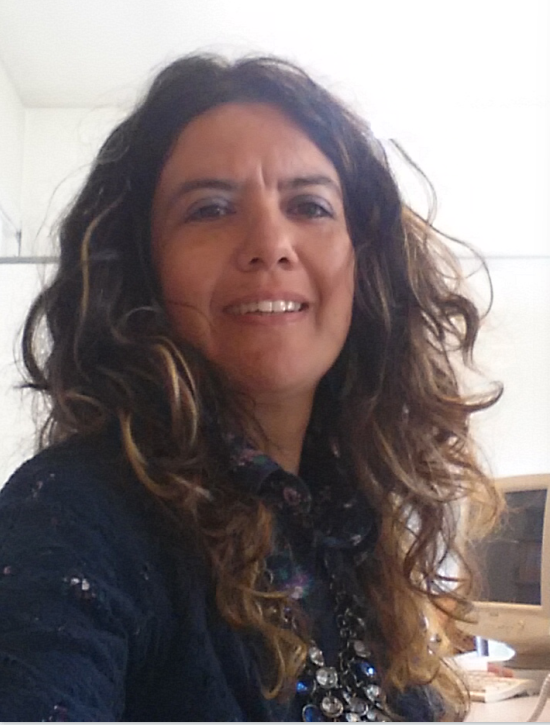
加布里埃拉·皮切尔诺[意大利]
评《蒋宜茂诗选》
蒋宜茂是中国当代诗坛中一位沉静自守却掷地有声的诗人,其诗作浑然融贯传统与现代,毫无斧凿之痕,《蒋宜茂诗选》正是这种创作特质的绝佳印证。这部由太平洋诗歌出版社出版的诗集,笔触精谨如工笔细描,意韵悠远似古意绵长。作为能将古典传统的轻盈意趣与当下时代的细碎现实相融相生的一代中国诗人,蒋宜茂笔下的每一个意象,都化作了通往情感深处的渡口。
他的诗,没有高昂的声量,却余音悠长,留下隽永的印记。那些文字,仿佛源自一片鲜活的静默之地。枝桠、雨滴、野石、清风——自然万物不再是空洞的背景板,而是诗人的对话者。每一处细节,都是一次侧耳倾听,丈量着外界世相与内心波澜之间的距离。其文字像水一般澄澈通透而又厚重深沉,不可言说。
蒋宜茂以“空”入诗,将虚无化作充满无限可能的空间。“空”,非匮乏,而开放;非沉默,而聆听;非孤独,而是与自我深度相遇的契机。
从心理学视角来看,蒋宜茂的诗作触探着人类体验中最深刻的内在关系。他对空、静默与悬置的诠释,与当代心理学的核心理念不谋而合:接纳未知的能力,驻足晦暗的勇气,以及在内心的防御卸下时,聆听本真的觉知。
在他的诗句里,“空”并非深渊,而是一处过渡,恰似温尼科特所言的中间地带——自我在此得以蜕变、展露、试错,不必被僵化的定义所束缚,身份不是固化的,而是动态的。而静默,则拥有一种调和的作用。它不是封闭,而是包容;是静默,让情绪沉淀成形。在其文字中,静默成为一种心理载体,让生命的体验得以自然浮现,不被驱使,不被强求。
诗中无处不在的自然,也绝非简单的布景,而是具有关联意义的存在。枝、雨、石、风,皆成为内心对话的具体意象,是自我的投射,亦是照见本心的明镜。自然成了诗人辨认那些无法直言的自我碎片的地方;以自然喻情,不直言悲喜,靠近伤痛却不正面迎击,成了他独有的抒情方式。
其文字中还蕴藏着一种深刻的疗愈特质——慢。这份慢,并非停滞,而是让感悟有了落脚的余地。诗中的时间,并非线性的流逝:它折返、缠绕、再一次铺展。这种循环的节奏,恰似心理学中的思维进程:反复的思忖终成透彻的领悟,一个念头反复浮现,每一次都带着些许不同的意涵,直至豁然开朗。
读蒋宜茂的诗,需要读者有如踏上心灵之旅般的能耐:停留,聆听,抵制逃离空无的冲动。他的诗不给出答案,而是为答案的浮现创造了契机,而这或许正是其诗作最动人的力量。
他的诗句有令人沉思的特质;慢,是专注,却非慵懒。诗中的声息,仿佛来自一个时间循环的空间:折返、缠绕、消散、重构。回忆不是怀旧的怅惘,而是鲜活的张力;身体不是抽象的隐喻,而变成了生命体验的长廊;伤痕不是夸张的悲戚,而是走向新生的门槛。
其诗语言洗练,近乎凝练到骨血。也正因如此,每一个意象描写都如当头棒喝,振聋发聩。蒋宜茂从不用文字堆砌景致,而让画面自行呈现;不刻意描摹情绪,而让情感自然流露。他赋力量于最细微处:一个形象,一种姿态,一个日常的细枝末节,忽而被展露出来,便成了醍醐灌顶的顿悟。他以空、静、悬念为笔,使其诗作激发出强烈的心理共鸣:不去阐释,只唤醒;不做叙述,让读者切身感受。
在这部诗集中,《时光不语》《黄昏时光》《春光》等诗作,尤为鲜明地展现了蒋宜茂将自然转化为情感与认知载体的功力。《时光不语》中,日夜的更迭并非宏大的宇宙图景,而成了温柔的日常姿态:太阳“从容返乡”,月亮“居家轮休”,这般动静,更是人间的温情,毫无客观世界的冰冷。时光不语,只用行动为鉴;它不做解释,只静静随行。这是一段带有温度的时光,洗去白日的尘埃,让自我得以温柔回归。此刻,悬念不再虚无,而是一呼一吸的鲜活存在。
《黄昏时光》里,黄昏的光并非走向衰颓,而是迎来绽放。满树“金黄的光”,不是结局的预告,而是蜕变的开端。淅淅沥沥的秋雨,勾勒出舒缓的韵律,包容着所有情绪;褪去“浓妆”的桂花,完成了一场自然与心理的双重卸落。美,在此卸下华饰,回归本真。自然依旧不是象征,而是对内心的映照。
《春光》则将这种动态构图再进一步融入了“等待”的维度。历经风雨的槐花,“层次分明”,轻轻摇曳;这种坚韧,无关英雄气概,只带着温柔的迟疑。它们“纷纷宽衣解带”,是带着感知的柔弱,是为“钟情的麻雀”的到来所做的准备。春,不仅是繁花似锦的盛景,更是一种敞开的姿态、接纳的心意、温柔的期许。恰似一个向他人敞开的生命,让彼此的感知相互交融。
将这三首诗合而观之,清晰可见蒋宜茂对“边界”的书写:光与暗之间,华饰与本真之间,坚守与放下之间,孤独与相遇之间。他的文字,不追寻轰轰烈烈的结果,而描摹悄无声息的过渡;不做直白露骨的宣告,而写细微的姿态;不抒显豁的情绪,而留袅袅的余韵。也正是在这些意蕴的缝隙里,其诗学与心理力量喷薄而出:让那些隐于感知边缘的认知,变得清晰可见。
读他的诗,读者需拥有一种难得的开放态度:愿栖身于静默,流连于缝隙,聆听文字尽头的余音。这不是一部一眼便能读懂的诗,它如一扇无法强推的门,缓缓敞开,静待知音。
《蒋宜茂诗选》,绝非一部仅供翻阅的诗集,而是一片需要躬身走过的精神疆域。走过之时,内心的某些东西悄然改变,变柔软,变澄澈,而后,深深扎根。
这是一部邀人聆听的书;聆听世界,聆听他人,也聆听自我。它向我们证明,诗歌依旧可以成为一处安放真相、蕴藏温柔、实现蜕变的地方。
(王欣 译;Tr. Wang Xin)
作者简介:
加布里埃拉·皮切尔诺,意大利著名女诗人、心理学家、教育家、性学家,1967年生于意大利科森扎省的滨海贝尔韦代雷市,现任佛罗伦萨省鲁菲纳市“会说话的蟋蟀”教育文献中心主任。她常年为教师与家长开展培训工作,为成人、青少年与儿童提供临床心理支持,领域涵盖校园适应障碍、学习与人际关系问题,以及分居与离婚相关的心理疏导。二十余年来,她深耕各学段校园的情感与性教育领域,创办“帕拉莫雷”项目。著有多部心理学、教育学随笔,小说、诗集。其诗作被译为七种语言,在十五个国家出版;多部儿童童话作品亦被译为土耳其语、波兰语。她担任帕夫出版社“千次拥抱”丛书主编,与克里斯蒂娜·德西德里联袂担任GD出版社“阿里阿德涅之线”丛书主编,为教育类期刊《教与学》撰写心理学、教育学专栏文章,同时担任“童话小铺”与“故事背包”文学奖的评审工作。
Gabriella Picerno [Italy]
Review of Selected Poems of Jiang Yimao
In contemporary Chinese poetry, Jiang Yimao stands as a secluded yet decisive voice, capable of uniting tradition and modernity without strain. His collection Selected Poems of Jiang Yimao makes this abundantly clear. Selected Poems of Jiang Yimao, published by Poetry Pacific Press, moves with the precision of a fine brushstroke and the depth of an ancient breath. Jiang Yimao belongs to that generation of Chinese poets able to hold together the lightness of classical tradition and the fracture of the present, transforming every image into an emotional threshold.
His poetry never raises its voice. And yet, it leaves a long echo, a meaningful trace. His words seem to arise from a place where silence is not absence but living matter. Nature—branches, rain, stones, wind—is not a backdrop but an interlocutor. Every detail becomes a gesture of listening, a way of measuring the distance between what happens outside and what moves within. His writing has the transparency of water and the density of what cannot be spoken.
Jiang Yimao’s poetry works with emptiness as a space of possibility. Emptiness is not lack but openness. It is not silence but listening. It is not solitude but the condition for a deeper encounter with oneself.
From a psychological perspective, Jiang Yimao’s poetry works on inner dynamics that belong to the deepest layers of human experience. His way of approaching emptiness, silence, and suspension recalls central concepts in contemporary psychology: the capacity to tolerate uncertainty, to remain within shadowed zones, to listen to what emerges when defenses begin to loosen.
In his verses, emptiness is not an abyss but a transitional space, similar to the one described by Winnicott: an intermediate place where the self can transform, play, take risks, without yet being forced into rigid definitions. It is a space in which identity is not fixed but in motion. Silence, on the other hand, has a regulatory function. It is not closure but containment. It is silence that allows emotions to settle, to find a shape. In his texts, silence becomes a psychological device: a way of giving experience the time it needs to emerge without being forced.
Nature, so present in his poetry, is never a simple backdrop. It is a relational object. Branches, rain, stones, wind become figures of an inner dialogue, projections and mirrors. Nature is the place where the poet recognizes parts of himself that he cannot name directly. It is a way of speaking about emotions without naming them, of approaching pain without confronting it head-on.
There is also a deeply therapeutic quality in his writing: slowness. A slowness that does not paralyze, but allows one to feel. In his verses, time is not linear: it returns, folds back on itself, opens again. This circular movement recalls the psychological process in which rumination becomes elaboration: a thought that comes back, each time with a slightly different shade, until something becomes clear.
Jiang Yimao’s poetry seems to ask of the reader the same availability required in a psychological journey: the ability to stay, to listen, to resist the impulse to flee from emptiness. It is a poetry that does not offer answers, but creates the conditions for an answer to emerge. And in this, perhaps, lies its greatest strength.
There is a contemplative quality in his lines, a slowness that is not inertia but attention. His voice seems to come from a place where time is not linear but circular: it returns, folds, dissolves, recomposes. Memory is not nostalgia but tension; the body is not metaphor but a place of passage; the wound is not drama but threshold.
The language is essential, almost stripped to the bone. Precisely for this reason, every image resonates like a sharp, sudden blow. Jiang Yimao does not construct landscapes: he lets them emerge. He does not narrate emotions: he lets them happen. His strength lies in the minimal—an image, a gesture, an everyday detail that suddenly opens and becomes revelation. He is a poet who works with emptiness, with silence, with suspension. And it is precisely for this reason that his poetry carries a strong psychological quality: it does not explain, it evokes; it does not recount, it makes one feel.
Within the collection, poems such as Time is Wordless, Twilight, and The Splendor of Spring reveal with particular clarity Jiang Yimao’s ability to transform nature into an emotional and cognitive device. In Time is Wordless, the transition between day and night is not a cosmic event but a domestic gesture: the sun that “returns home leisurely” and the moon that “goes off duty” perform movements that belong more to intimacy than to astronomy. Time does not speak, it acts; it does not explain, it accompanies. It is a time that takes care, that washes away the dust of the day, that allows the subject to return to themselves without violence. Here, suspension is not emptiness but breath.
In Twilight, the light of dusk does not decline—it blooms. The trees “full of golden light” do not announce an ending but a transformation. The autumn rain, with its “pittering and pattering” rhythm, introduces a cadence that regulates and contains, while the osmanthus flowers that “take off their heavy makeup” enact a gesture of shedding that is both natural and psychological. It is beauty that lightens itself, that relinquishes ornament to return to its own truth. Here too, nature does not represent—it reflects.
The Splendor of Spring takes this dynamic a step further, introducing the dimension of waiting. The locust flowers, “with distinct layers,” sway after days of wind and rain: a resilience that is not heroic but tender, almost hesitant. Their act of “taking off their clothes one by one” is a gesture of conscious vulnerability, a preparation for the arrival of the “beloved sparrow.” Spring is not only splendor but availability, openness, desire. It is a body that makes itself permeable to the other.
Taken together, these three poems show how Jiang Yimao works on thresholds: between light and darkness, ornament and nakedness, resistance and surrender, solitude and encounter. His writing does not seek the event but the passage; not the declaration but the minimal gesture; not explicit emotion but its echo. It is in these interstices that his poetic and psychological strength emerges: in the ability to make visible what normally remains at the edge of perception.
His poetry asks of the reader a rare kind of openness: the willingness to inhabit silence, to linger within the cracks, to listen to what remains when words come to an end. It is a poetry that does not offer itself immediately, but opens slowly, like a door that cannot be forced.
Selected Poems of Jiang Yimao is not a collection one simply reads: it is a collection one crosses. And in crossing it, something shifts. Something softens. Something clarifies. Something stays.
It is a book that invites a deeper kind of listening—to the world, to others, to oneself. A book that shows how poetry can still be a place of truth, of delicacy, of transformation.
About the author:
Gabriella Picerno, a famous poetess, psychologist, educationalist, and sexologist, was born in 1967 in Belvedere Marittimo (Cosenza), Italy. She is the director of the Educational Documentation Center "Il Grillo Parlante" in Rufina (Florence). She conducts training activities for teachers and parents and provides clinical support for adults, adolescents, and children, addressing school difficulties, learning and relationship disorders, and issues related to separation and divorce. For over twenty years, she has been involved in affective and sexual education in schools of all levels and created the Parlamore Project. She is the author of numerous psychological and educational essays, as well as novels and poetry. Her poems have been translated into seven languages and published in 15 countries, and several volumes of children's fairy tales have been translated into Turkish and Polish. She is the director of the Mille Abbracci series for Pav Edizioni and co-director, alongside Cristina Desideri, of the Il Filo di Arianna series for GD Edizioni. She writes articles on psychology and pedagogy for the magazine Docete, aimed at educators. Additionally, she curates the La Botteguccia delle Favole and Lo Zaino Raccontastorie literary awards.
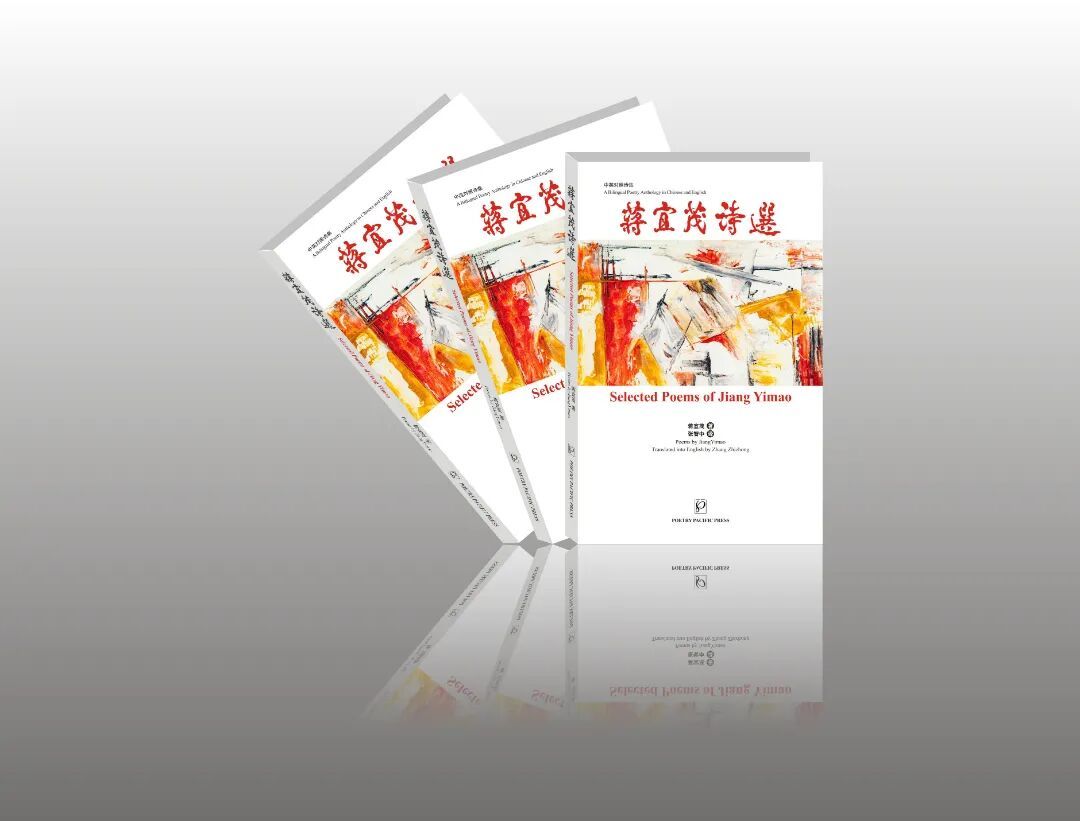
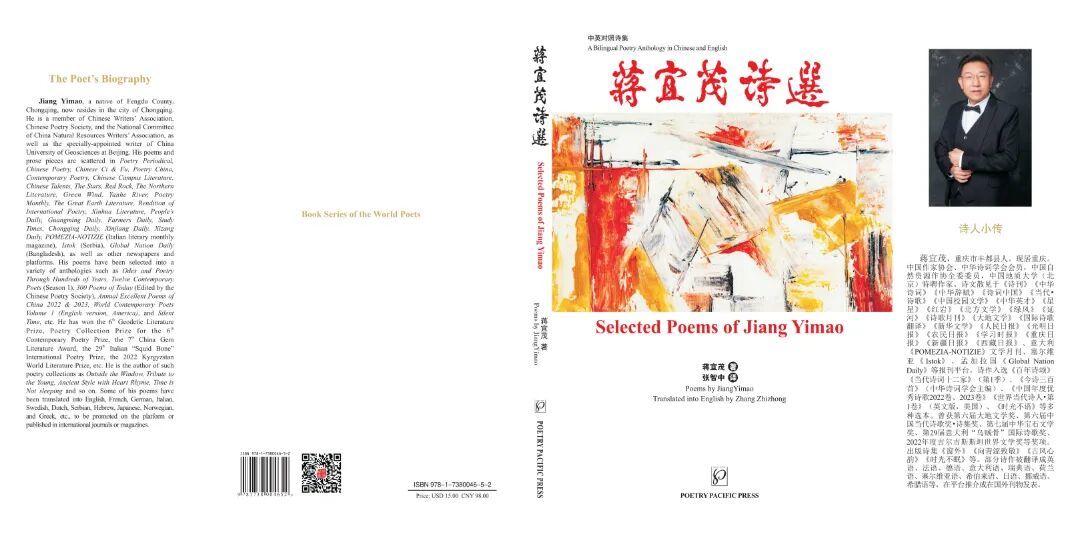
蒋宜茂简介
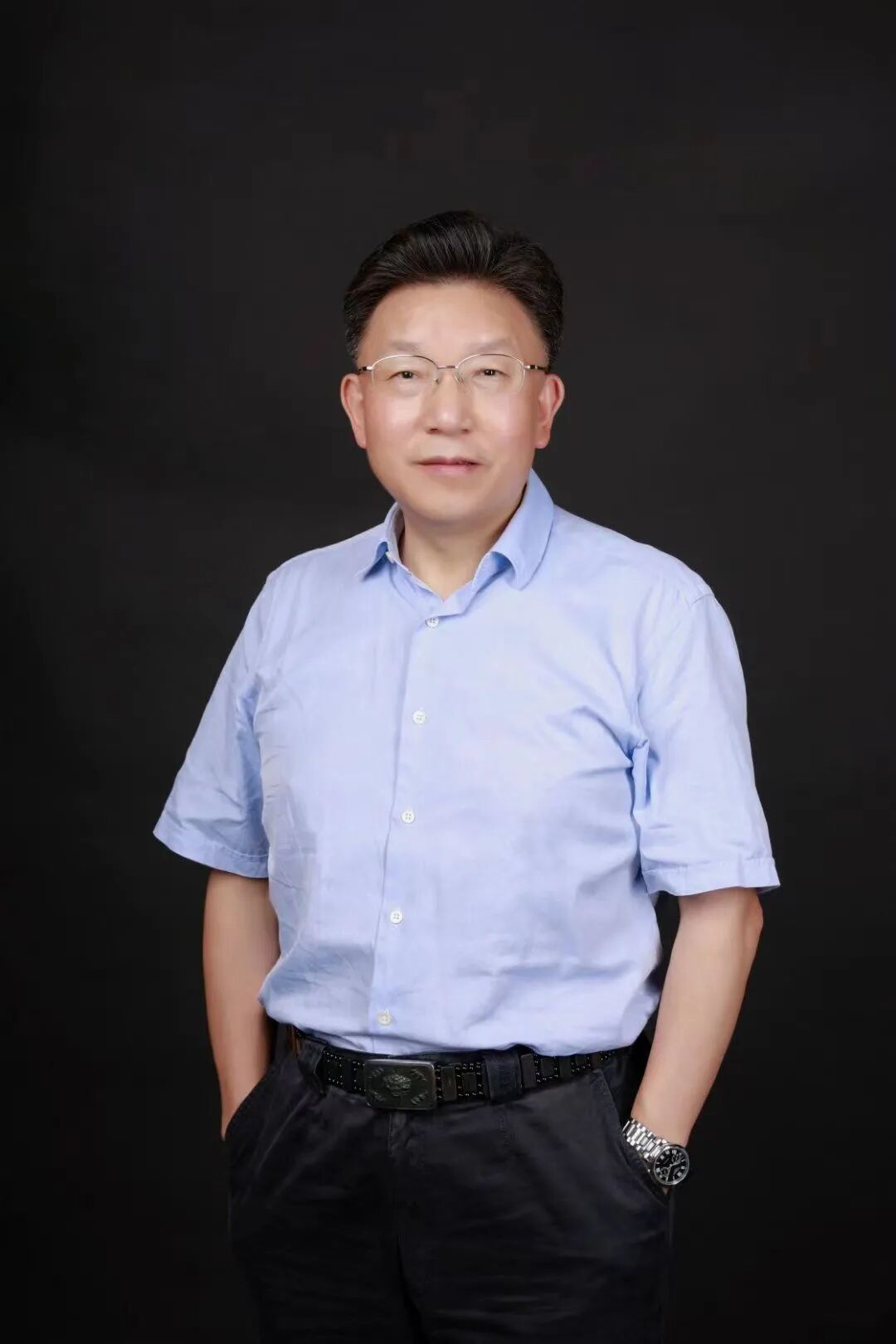
蒋宜茂,中国当代著名诗人、作家。重庆市丰都县人。现居重庆。中国作家协会、中华诗词学会会员,中国自然资源作协全委委员,中国地质大学(北京)特聘作家。诗文散见于《诗刊》《中华诗词》《中华辞赋》《诗词中国》《当代·诗歌》《中国校园文学》《中华英才》《星星》《红岩》《北方文学》《绿风》《延河》《诗歌月刊》《大地文学》《国际诗歌翻译》《新华文学》《人民日报》《光明日报》《农民日报》《学习时报》、意大利《POMEZIA-NOTIZIE》文学月刊、塞尔维亚《Istok》、孟加拉国《Global Nation Daily》等报刊平台。诗作入选《百年诗颂》《当代诗词十二家》(第1季)、《中国年度优秀诗歌2022卷、2023卷》《世界当代诗人·第1卷》(英文版,美国)、《今诗三百首》(中华诗词学会主编)等多种选本。曾获第六届大地文学奖、第六届中国当代诗歌奖·诗集奖、第七届中华宝石文学奖、第29届意大利“乌贼骨”国际诗歌奖、2022年度吉尔吉斯斯坦世界文学奖等奖项。出版诗集《窗外》《向青涩致敬》《古风心韵》《时光不眠》《蒋宜茂诗选》(中英对照)等。部分诗作被翻译成英语、法语、德语、意大利语、瑞典语、荷兰语、塞尔维亚语、希伯来语、日语、挪威语、希腊语、韩语等,在平台推介或在国外刊物发表。



